
Upholstery
Upholstery cleaning
Your sofa gets more contact hours than any carpet in the house. We clean it with the amount of moisture the fabric can actually take, so it comes back soft rather than stiff, and dry rather than damp for two days.
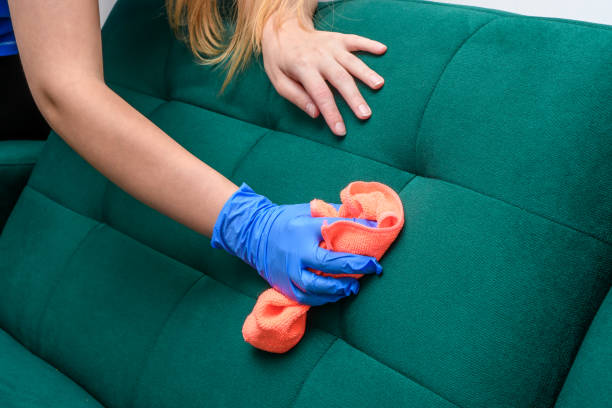
Fabric first, method second
Upholstery is where inexperience causes real damage. A linen blend, a viscose velvet, a wool weave and a solution dyed outdoor fabric all respond completely differently to water, heat and pH, and getting it wrong produces browning, shrinkage, watermarks or texture change that cannot be undone. So the first thing we do is find the manufacturer's cleaning code, and if there is not one, test an inconspicuous seam for colourfastness and dye stability before anything else happens.
- Code W. Water based cleaning is safe. Hot water extraction with an upholstery tool.
- Code S. Solvent only. Dry cleaning method, no water.
- Code WS. Either approach works, and we choose based on the soil type.
- Code X. Vacuum only. We will tell you if this is what you have rather than risk the piece.
What we clean
Two and three seat sofas, modular and corner suites, recliners, armchairs, ottomans, dining chairs, bar stools, bed headboards, cushions and squabs, and fabric car, boat and caravan interiors. Mattresses are a common request, usually for allergy reasons, and are cleaned with controlled moisture and a rapid dry so the bed is usable the same night.
Leather
Leather is cleaned, not extracted. We clean the surface with a pH balanced leather cleaner, work it gently to lift body oils and hand soil out of the grain, then apply a conditioner that restores flexibility and slows the cracking that dries out an untreated hide. Aniline and pigmented leathers are handled differently, and we will identify which you have before quoting.
Body oils are the real problem on a sofa. They are invisible for years, then suddenly the headrest is a different colour to the rest of it.
Why sofas get dirty in a way carpet does not
Carpet collects soil from the feet up. Upholstery collects it from the body outwards. Skin oils, hair product, sunscreen and perspiration transfer into the fabric at every point of contact, and because the transfer is gradual and even, nobody notices until the arms and headrests have gone visibly darker than the back panels. Oil also attracts and holds dry soil, which is why an untreated sofa reaches a point where it seems to get dirty much faster than it used to. Cleaning every twelve to eighteen months keeps ahead of it. Once oil has fully oxidised into the fibre, no cleaning method will bring the colour all the way back.
Drying
How long until we can sit on it?
Upholstery holds more water per square metre than carpet, so it needs a little more patience. Air movement is the single biggest factor.
Four to eight hours
Typical for a synthetic weave in a ventilated room. Open a window and put a fan on it if you can.
Up to twelve hours
Dense natural fibres, thick foam cushions or a closed room in winter. Book a morning slot.
Same day
Solvent cleaned Code S fabrics and leather are usable almost immediately once we finish.
Sofa looking tired?
Send a photo of the fabric label and we will quote without needing to visit first.