
Residential
Residential carpet cleaning
Regular steam cleaning will not only have your carpet looking its best all year, it also prolongs the life of the carpet and promotes better indoor air quality for the people living on it.
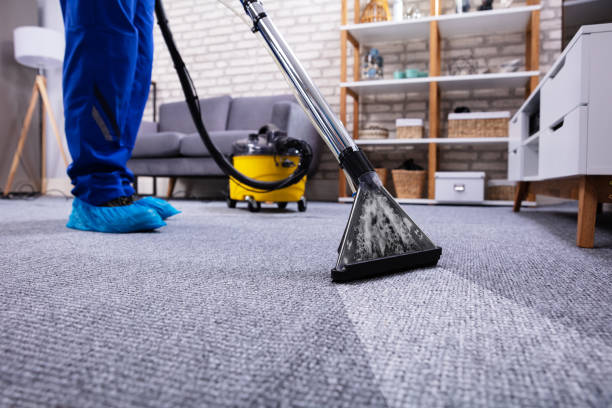
What a home clean actually involves
Home carpet takes a particular kind of punishment. It is not just foot traffic, it is spilled Weet-Bix, muddy football boots, a cat that has decided the hallway is a bathroom, and years of fine dust settling into the pile. All of that sits in a space where people sleep, crawl and eat off the floor, which is why we treat residential work differently to commercial.
We arrive, walk the house with you and agree what is being done. Everything moveable comes off the carpet, then the whole area is vacuumed with a commercial machine before any water goes down. Traffic lanes and spots get a targeted pre-spray and are agitated so the solution reaches the base of the pile. Then the extraction unit does the work, injecting hot water and pulling it straight back out along with the suspended soil.
We finish by grooming the pile so it dries standing upright rather than matted flat, put the furniture back on protective tabs where needed, and walk the job with you before we leave.
Rooms we clean most often
- Lounges and living rooms. The heaviest traffic in the house and usually where the difference is most visible.
- Bedrooms. Where dust mite reduction matters most, particularly for anyone with asthma or eczema.
- Hallways and stairs. Narrow, constantly walked on, and the first place a carpet shows its age.
- Home offices and rumpus rooms. Chair wear, food spills and the odd printer toner accident.
- Rugs. Cleaned in place or taken away for a full immersion wash if the rug warrants it.
How often should a home carpet be cleaned?
For a couple with no pets, once every twelve to eighteen months is usually enough. Add children, and twelve months is the sensible ceiling. Add a dog or a cat that lives indoors, and every six months keeps both the smell and the wear under control. Carpet manufacturers frequently require professional hot water extraction at set intervals to keep a warranty valid, so it is worth checking your paperwork if the carpet is still relatively new.
Most people do not realise their carpet has not faded. It has been covered.
Wool, nylon and solution dyed
New Zealand houses are full of wool carpet, and wool needs a gentler approach than synthetic. It holds more water, it is sensitive to high alkalinity, and it will felt or shrink if it is over-wet. We use wool safe chemistry at controlled pH and pull far more moisture back out than we put in. Nylon and solution dyed polypropylene are more forgiving and can take a hotter, more aggressive clean, which is why identifying the fibre before starting is not a formality.
On the day
What we need from you.
Clear the small stuff
Take breakables, electronics, toys, papers and anything valuable off the floor. We handle the furniture, you handle the fiddly things.
Park space and a tap
We need to get a vehicle reasonably close and access to a cold tap and a power point. Let us know in advance if either is difficult.
Plan the drying window
Allow three to six hours before heavy use. Booking a morning slot gives the carpet the whole day to dry, which matters most in winter.
Ready to book your home in?
Tell us the number of rooms and we will give you a fixed price over the phone.